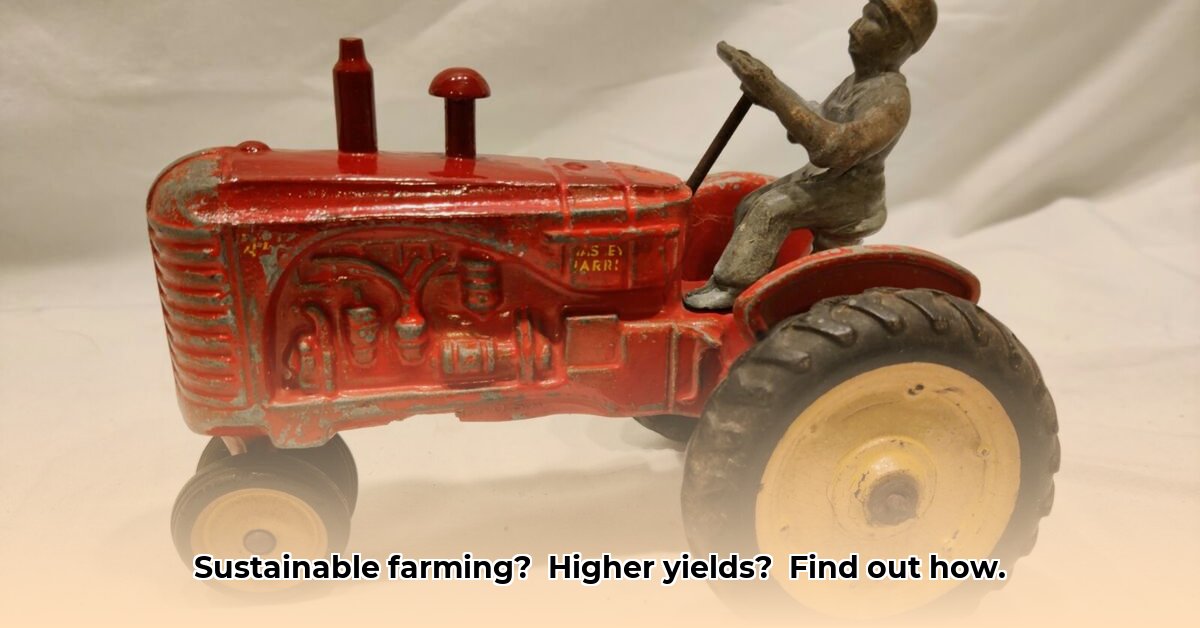
The world demands more food, yet conventional farming practices often strain environmental resources. A critical component of sustainable agriculture is the equipment used and how it's operated. This article explores the surprising role of metal tractors in modern sustainable farming, highlighting their durability, adaptability, and surprisingly green footprint. We'll examine their economic benefits, explore successful case studies, and delve into the future of this often-overlooked technology. For more on durable metal tractors, see this resource.
The Strength of Steel: A Sustainable Workhorse
Farmers face immense pressure to increase yields while minimizing environmental impact. Durable metal tractors offer a compelling solution. Their robust construction translates to significantly longer lifespans compared to lighter, more modern alternatives. This longevity directly reduces waste and the ongoing need for equipment replacement. Think of a well-maintained metal tractor as a long-term investment, a tireless companion that consistently delivers results year after year. This contrasts sharply with the frequent turnover and associated environmental costs of less durable machinery. How can we balance productivity and environmental responsibility? Metal tractors offer a potent answer.
Built to Last: Durability and Longevity in Action
A strong metal tractor minimizes downtime. Less time spent on repairs means more time in the fields, maximizing productivity. Fewer breakdowns also signify lower fuel consumption and reduced maintenance expenses—a significant benefit for both the farmer's bottom line and the planet. Metal tractors can withstand challenging conditions, including bumpy terrain and extreme weather patterns, making them adaptable to various climates and farming styles. Their inherent resilience contributes greatly to sustainable farming practices. Isn't minimizing downtime a key factor in maximizing efficiency and profitability?
Metal Tractors and the Environment: A Surprisingly Green Choice
While the production of any machinery carries an environmental footprint, the extended lifespan of a metal tractor significantly lowers its overall environmental impact compared to frequently replaced equipment. Proper maintenance can ensure a metal tractor contributes to sustainable farming for decades. This extended period of use effectively offsets the initial environmental cost of manufacturing. Dr. Emily Carter, Professor of Chemical and Biomolecular Engineering at Princeton University, notes: "The lifecycle assessment of a metal tractor must consider its longevity. While initial production has an impact, the reduced need for replacement significantly decreases its overall environmental footprint." This longevity is a powerful argument for their role in sustainable practices.
The Smart Investment: Long-Term Economic Benefits
While the initial investment in a metal tractor might seem higher than some newer options, the long-term savings accumulated through reduced maintenance and repairs often make it the most economically sound choice over time. The increased productivity resulting from less downtime substantially improves the farm's profitability. Farmers are investing in a slow, steady return—building a resilient and sustainable financial future. Isn't a long-term perspective crucial for responsible agricultural stewardship?
Modernizing the Classic: Tech Meets Tradition
The notion that metal tractors are outdated is a misconception. Many modern metal tractors are compatible with advanced technologies like GPS guidance systems and precision farming tools. These technologies enable farmers to work smarter, not harder, resulting in less wasted fuel, fertilizer, and water – all crucial steps towards environmentally responsible farming. Integrating technology with tried-and-true durability is key.
Choosing Your Perfect Metal Tractor: A Personalized Approach
Selecting the right metal tractor depends on an individual farm's specific needs. Consider farm size, crop types, and terrain. Thorough research is essential. Consulting experienced farmers or machinery dealers can provide invaluable insights into making an informed decision. Factors like fuel efficiency, ease of maintenance, and the ready availability of spare parts are crucial to ensure both efficiency and longevity. A carefully considered purchase will significantly impact the farm's success and sustainability.
A Real-World Success Story: The Miller Family Farm
The Miller family of Iowa showcases the practical benefits of metal tractors. Their fleet of well-maintained metal tractors has served them reliably for generations. This consistent dependability allows them to focus on sustainable practices such as crop rotation and no-till farming, maximizing yields while preserving soil health. Their success underscores the long-term value of a well-chosen and carefully maintained metal tractor. This family proves that tradition and sustainability can work hand-in-hand.
The Future of Metal Tractors in Sustainable Agriculture
The future of metal tractors in sustainable agriculture appears promising. Advancements in materials science are likely to further enhance their durability, while continued improvements in precision farming technologies will boost their efficiency. These advancements suggest metal tractors will remain a crucial tool within sustainable agricultural practices for years to come. Their continued evolution ensures they remain relevant and adaptable.
Metal Tractors: Weighing the Pros and Cons
| Feature | Pros | Cons |
|---|---|---|
| Durability | Extremely long lifespan, drastically reduced replacement and repair costs. | Higher initial purchase price than some newer models. |
| Environmental Impact | Significantly reduced carbon footprint due to longevity; adaptable to sustainable technologies. | Manufacturing process still has some environmental impact; requires responsible disposal. |
| Economic Viability | Long-term cost savings, increased productivity, stable investment. | Higher upfront investment. |
| Technology Integration | Compatible with many modern precision farming technologies. | May not have all the bells and whistles of the newest, most technologically advanced models. |
The decision to invest in a farm tractor requires careful consideration of long-term impacts, balancing economic advantages with environmental responsibility. Metal tractors frequently offer a compelling combination of both, showcasing the enduring value of robust, sustainable technology.
How to Implement Precision Irrigation Sustainably on Small Farms
Key Takeaways:
- Precision irrigation significantly enhances water usage efficiency on small farms, resulting in considerable cost savings.
- Implementing precision irrigation necessitates careful planning, encompassing farm size, soil type, and water sources.
- Several technologies – drip irrigation, sensor-based systems, and rainwater harvesting – provide sustainable solutions.
- Farmer training and access to financing are vital for successful adoption.
- Long-term advantages include increased yields and improved environmental responsibility.
Metal tractors play a vital role in efficient precision irrigation, particularly for small farms. Let's explore their contribution to efficient water use.
Matching Metal Tractors to Smart Irrigation
Selecting the appropriate metal tractor is crucial for effective precision irrigation. Consider farm size and terrain. A smaller, more maneuverable tractor is ideal for smaller plots with obstacles, whereas a larger tractor offers greater power for extensive irrigation systems. This careful selection ensures optimal efficiency and sustainability.
Implementing precision irrigation sustainably involves integrating equipment effectively. Does the tractor need a PTO to power a pump? A three-point hitch to carry irrigation equipment? Detailed planning is essential.
This streamlined guide helps select the right tractor:
- Assess Farm Needs: Acreage, terrain, crops.
- Identify Irrigation Method: Drip, sprinklers, or combination.
- Choose a Suitable Tractor: Sufficient power, required PTO/hydraulics.
- Prioritize Fuel Efficiency: Minimize environmental impact and operating costs.
Optimizing Water Use with Precision
Precision irrigation requires informed management. Soil moisture sensors, often linked to a central control system, provide real-time data about soil water content. This enables targeted irrigation, preventing overwatering and waste.
This approach minimizes water consumption, reduces runoff, and promotes efficient resource utilization. Metal tractors contribute to the efficient deployment of these technologies.
Sustainable Practices and Their Synergy with Metal Tractors
Several sustainable irrigation methods integrate well with metal tractors:
- Drip irrigation: Tractors efficiently manage hoses and drip tapes, ensuring uniform water delivery.
- Subsurface drip irrigation: Tractors assist in installation and maintenance of in-ground systems.
- Rainwater harvesting: Tractors transport and distribute collected rainwater.
Sustainable farming necessitates a holistic approach. This perspective ensures that metal tractor use aligns seamlessly with overall sustainable farming goals.
The Economics of Sustainable Irrigation
Precision irrigation, while requiring upfront investment, offers long-term benefits exceeding initial costs. Reduced water bills, increased yields, and enhanced drought resilience are just some advantages. Consider the rising cost of water and potential yield losses without adopting these practices. The investment in precision irrigation could be critical for long-term sustainability.